
Project Overview
The "Drone Force" project aimed to create a cutting-edge android smartwatch application along with a companion mobile app. This innovative application would leverage the accelerometer and gyroscope sensors present in the smartwatch to interpret user gestures into commands for controlling a drone's flight. Users could manipulate their smartwatch-wearing hand to execute flight maneuvers, making drone control more intuitive and interactive.
Problem Statement
Traditional drone control methods often require users to utilize complex remote controllers, limiting accessibility and ease of use. The challenge was to develop a gesture-based control system that provided an intuitive way for users to control the drone, allowing for precise and fluid flight maneuvers.


Goals and Objectives
The primary goal was to create an android smartwatch application and a companion mobile app that enabled users to control a drone using gestures. The objectives were to design a user-friendly interface, develop accurate gesture recognition algorithms, optimize performance for minimal battery drain, and ensure a seamless connection between the smartwatch and the companion app.
Research and Planning
Extensive research was conducted to understand existing gesture recognition algorithms, drone control mechanisms, and smartwatch sensor capabilities. Planning involved defining gesture sets, determining required sensor data frequency, and establishing a communication protocol between the smartwatch and the companion app.
Design and Development Process
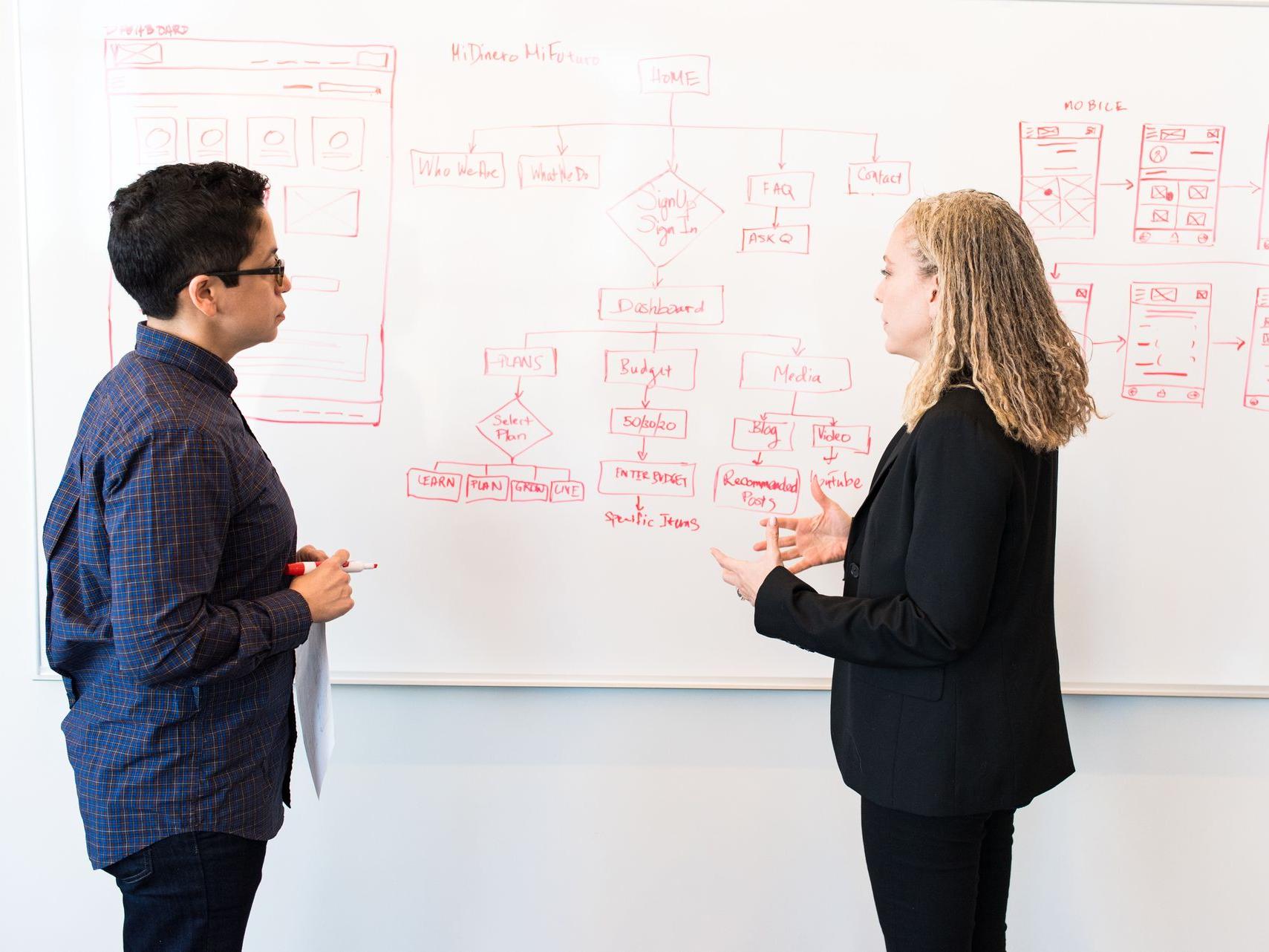
User Interface Design: The user interface of both the smartwatch app and the mobile app was designed for intuitive gesture selection and real-time feedback.
Gesture Recognition Algorithms: Complex algorithms were developed to accurately interpret accelerometer and gyroscope data into recognizable gestures. These algorithms needed to handle variations in hand movements and gestures.
Communication Protocol: A robust communication protocol was established to transmit sensor data from the smartwatch to the mobile app in near real-time. This required optimizing data transmission frequency to balance responsiveness and battery usage.
Drone Control Logic: Algorithms were designed to convert recognized gestures into drone control commands. This involved determining the drone's direction, speed, and maneuvers based on the user's movements.
Challenges and Solutions
Battery Drain: The constant polling of sensor data and real-time transmission drained the smartwatch and mobile device batteries.
Complex Gesture Recognition: Recognizing intricate gestures like compound movements and differentiating between intentional and accidental gestures posed challenges.
Solutions?: Tackle the problem 7 years later when you're a better programmer and make TikTok videos about the process 👀
Results and Impact
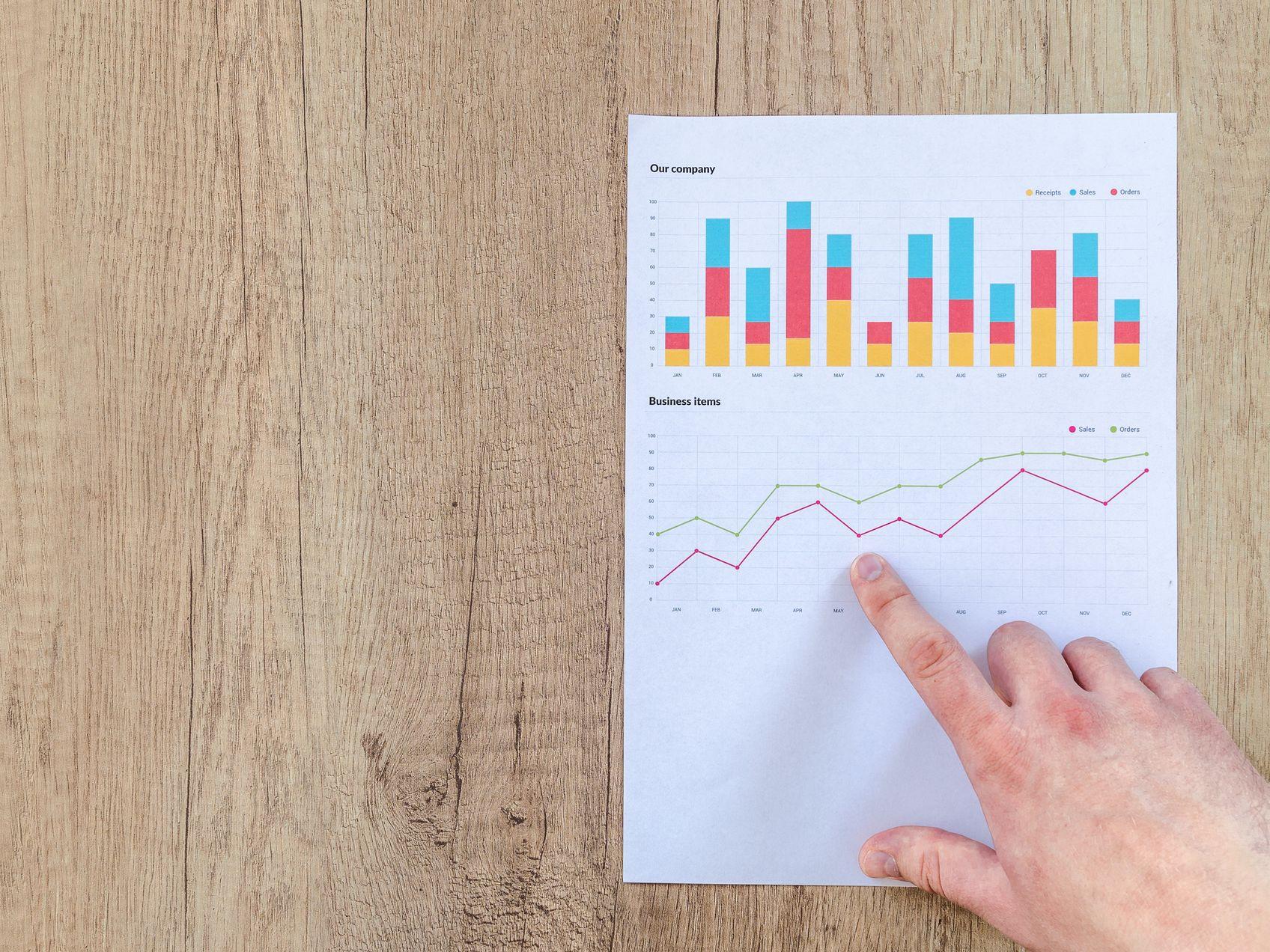
While the project reached the alpha phase, it was found that the application was too resource-intensive. The battery drainage issues on both the smartwatch and the mobile device hindered the usability of the application. The gesture recognition accuracy was promising, but the resource limitations prevented the project from advancing to a stable release.

Learnings and Reflections
The development process of Drone Force highlighted the importance of optimizing for resource-constrained environments. When I revamp the project successfully in the future, I will also consider:
-
Efficient Resource Usage: Implement more aggressive battery-saving strategies, such as dynamic sensor polling rates and optimized data compression during transmission.
-
Offline Gesture Recognition: Explore on-device gesture recognition to reduce the reliance on real-time data transmission and complex calculations on the mobile app.
-
Incremental Testing: Conduct thorough testing throughout the development process to identify performance bottlenecks and refine algorithms incrementally.
-
User-Centric Design: Gather user feedback early and iteratively refine the user interface and interaction design for improved usability.